Serving Multi-Industry Compute Workloads
From HPC clusters to cloud gaming, ShadowDesk supports professional scenarios across research, industry, media, and domestic ecosystems.
HPC
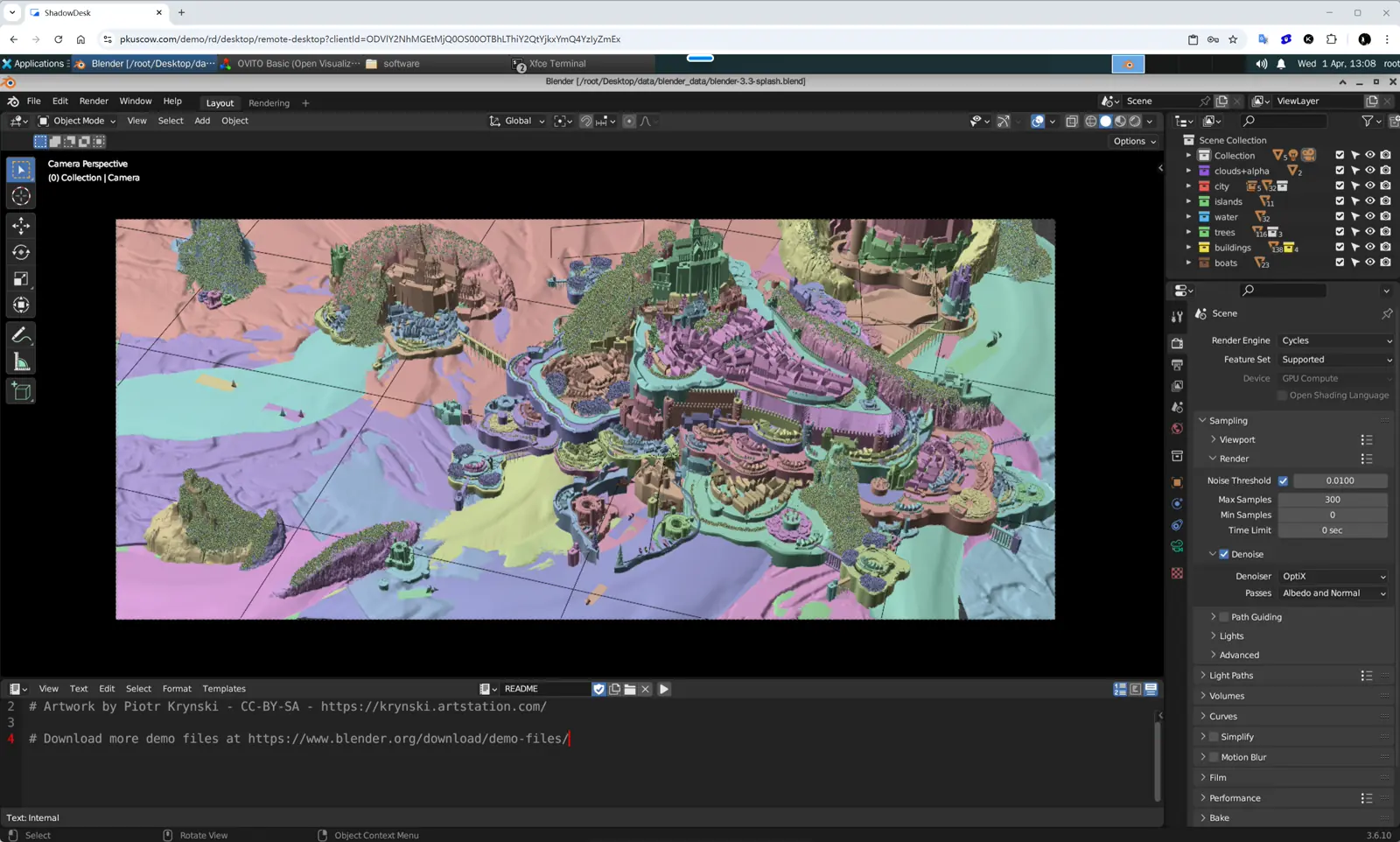
HPC clusters rely on remote desktops for CAE pre/post processing, molecular analysis, and simulation result review. ShadowDesk provides complete remote access for compute, visualization, and login nodes.
- Non-intrusive deployment into HPC/AI clusters
- Integrated Windows capability for lower learning curve
- Deep integration with schedulers such as Slurm and CraneSched
- One-click access from HPC portals such as SCOW
CAE Simulation and Engineering Design
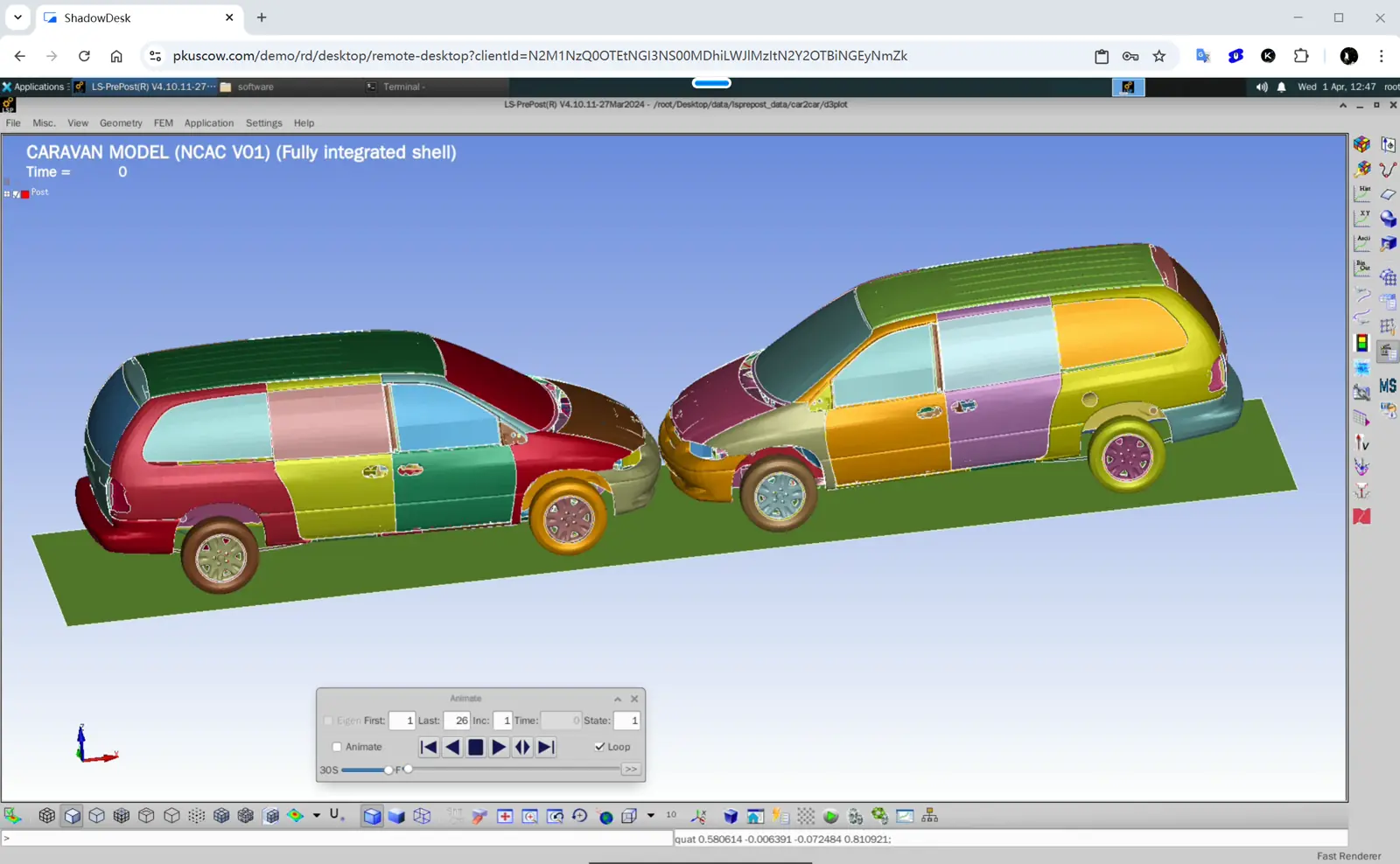
CAE workloads demand precise pre/post operations and large-scale mesh rendering. ShadowDesk combines streaming and command interception technologies for high frame rates and efficient GPU utilization.
- Up to 144 FPS for instant response in precision operations
- Supports ultra-large mesh rendering
- Compatible with mainstream tools such as Abaqus and Ansys
- CoHPC integration enables Windows software in Linux environments
EDA Chip Design
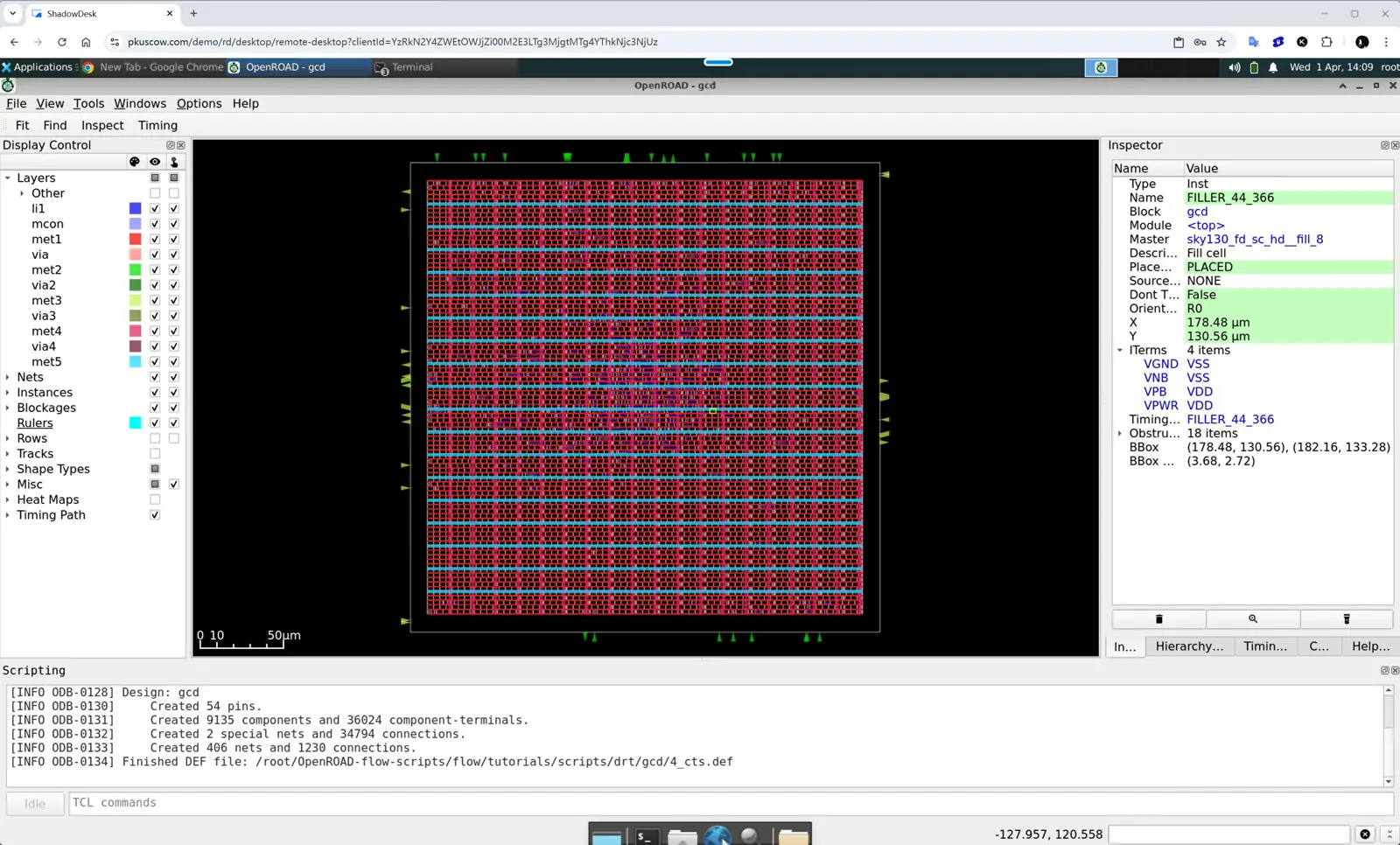
EDA requires strict confidentiality and data protection. ShadowDesk uses a lightweight protocol to provide high visual quality and low latency with minimal resource overhead.
- Lightweight protocol with low resource usage
- Flexible access control for data security
- Built-in desktop auditing for enterprise protection
- Deployable for both personal and shared team environments
Data Visualization
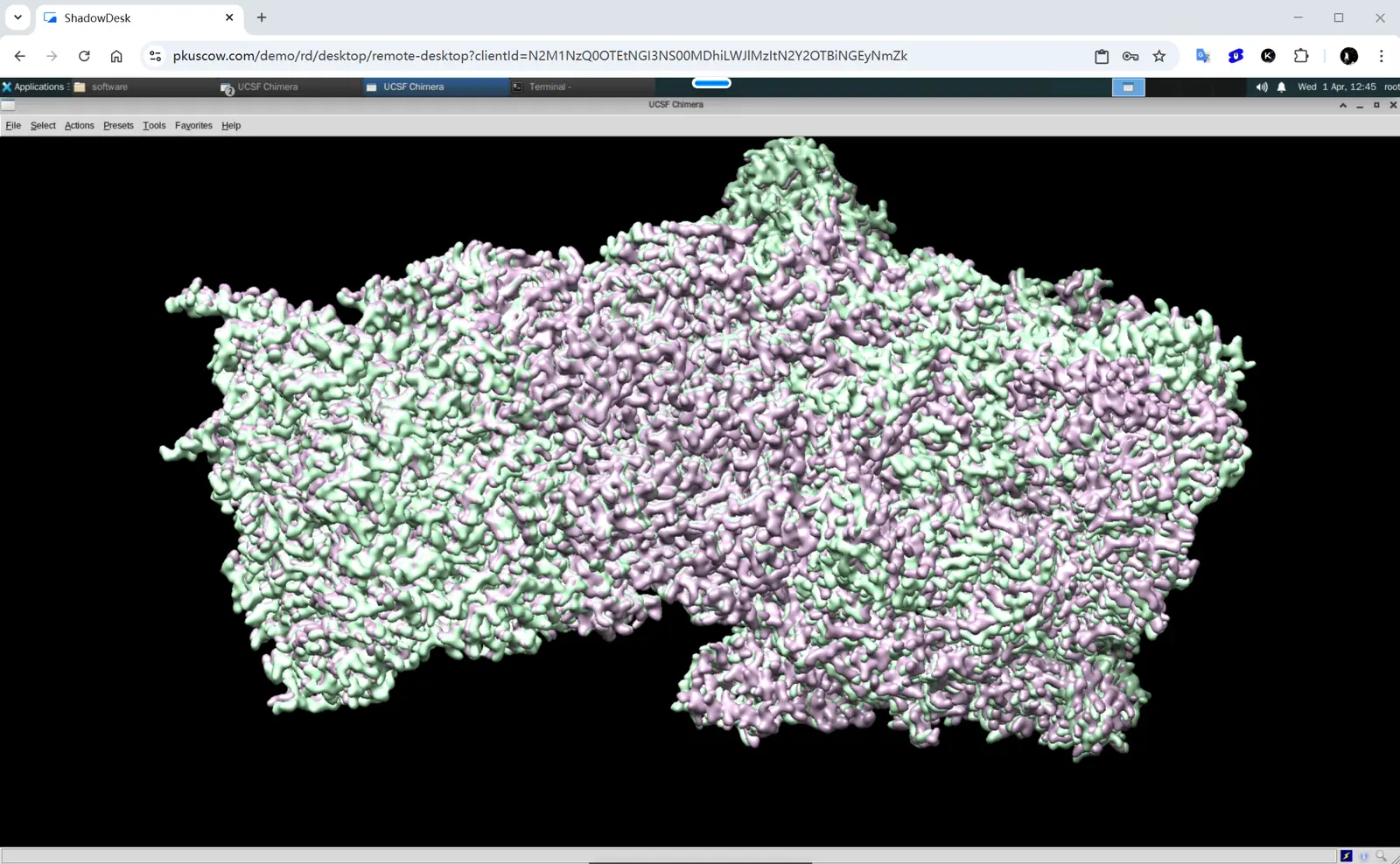
HPC clusters are essential for data visualization. ShadowDesk supports visualization for scientific computing, bioinformatics, and smooth browsing of multimedia outputs from multimodal AI workloads.
- Scientific simulation process visualization
- Bioinformatics analytics visualization
- Native visual analysis of large-scale compute results
- Smooth viewing of images, video, and multimedia assets
Digital Media
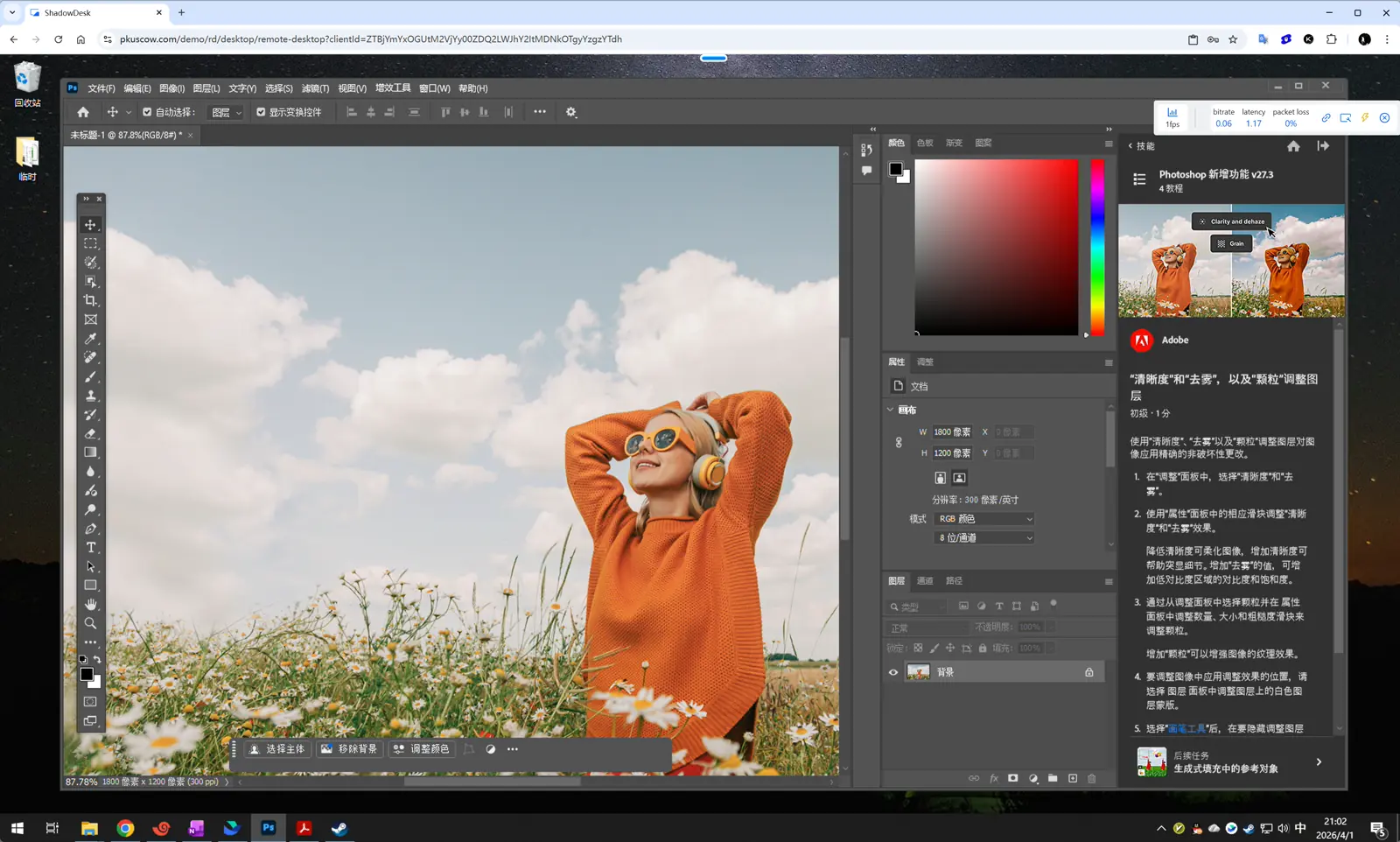
Audio/video workflows require high responsiveness and color accuracy. With 50 ms low latency and 4:4:4 color mode, ShadowDesk supports remote video editing and image processing reliably.
- 50 ms ultra-low latency for smooth creative work
- 4:4:4 color mode for true-to-source visuals
- Dual hardware encode/decode for low-latency delivery
- Drag-and-drop plus high-speed transfer for asset collaboration
Domestic Ecosystem
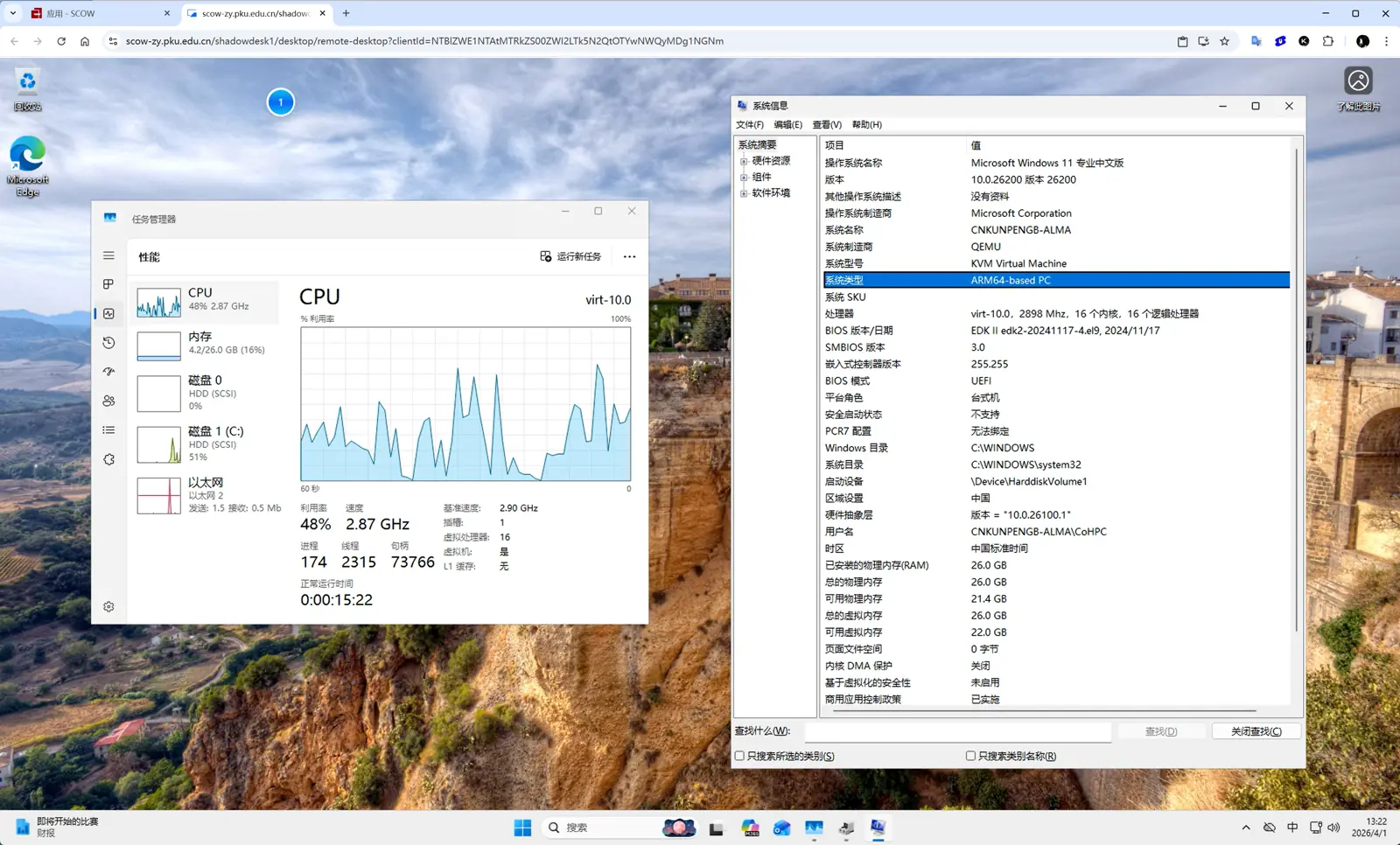
ShadowDesk deeply supports domestic innovation environments, including local processors and operating systems, and enables seamless Windows application execution on ARM architectures.
- Supports Hygon C86, Kunpeng, and Phytium processors
- Compatible with Kylin, UOS, OpenEuler, and more
- Supports Moore Threads S3000 for advanced rendering
- Windows app translation/runtime on ARM architectures
Cloud Gaming
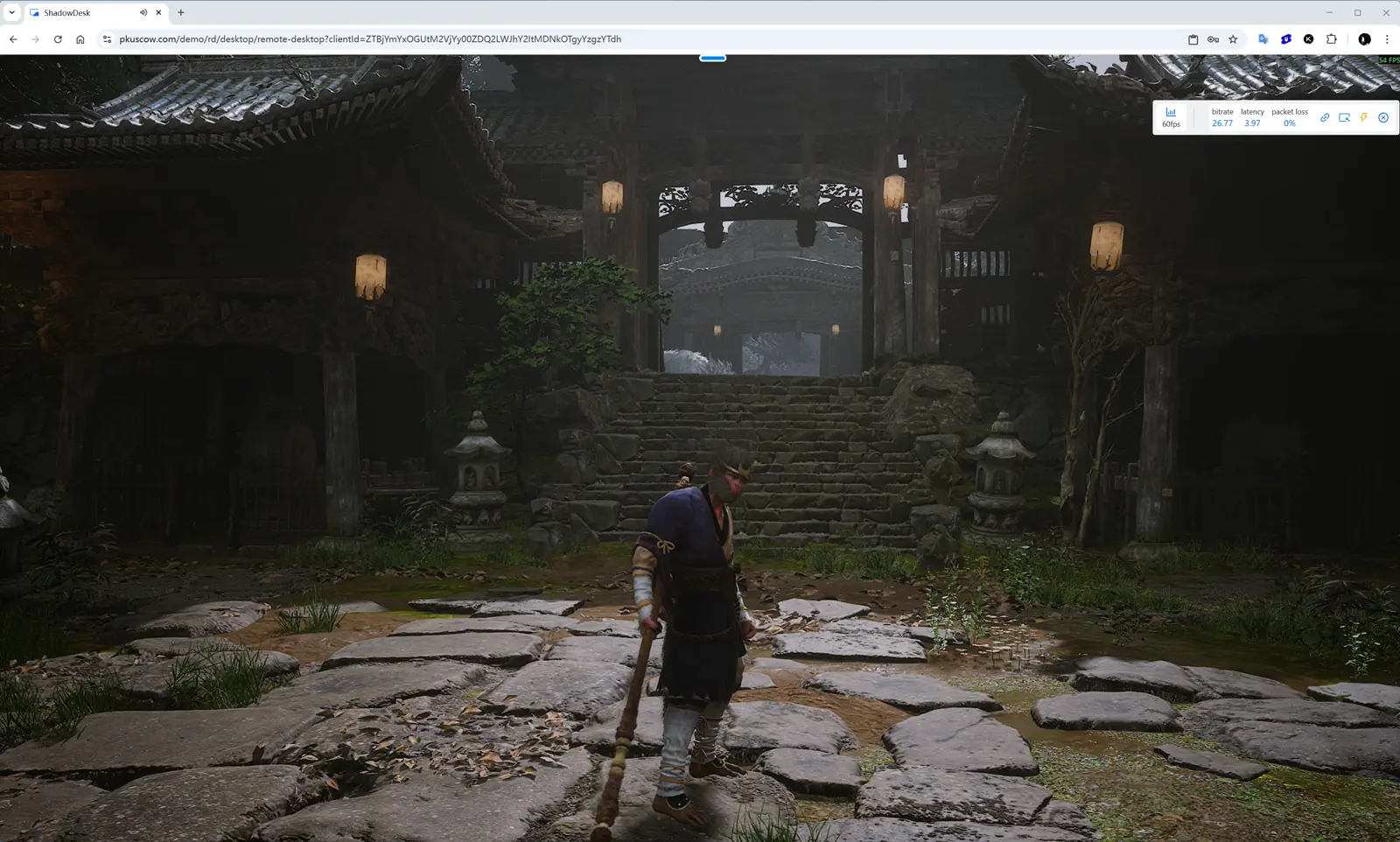
ShadowDesk provides ultra-low latency and high visual quality for cloud gaming, supporting mainstream controllers and up to 120 FPS at 4K for near-local smoothness.
- Remote transmission for Xbox, PlayStation, and other controllers
- Ultra-smooth 4K / 120 FPS quality
- Synchronized audio/video for immersive play
- Supports enterprise use cases like remote game testing and content distribution